How to Choose the Right Composters
If you're serious about turning yard waste into rich, usable compost, selecting the right composter isn't just about capacity—it's about efficiency, durability, and fitting your specific gardening needs. Over years in the trenches, I’ve seen countless homeowners buy cheap bins that fall apart after one season, or models that clog and require endless maintenance. Let’s cut through the hype and focus on what really works for real-world gardening.
Choosing the right composter can dramatically cut down your time spent managing waste and improve your soil health for years to come. Whether you’re a weekend gardener or running a small farm, making an informed choice means fewer headaches and better compost, faster.
Table of Contents
Types of Composters
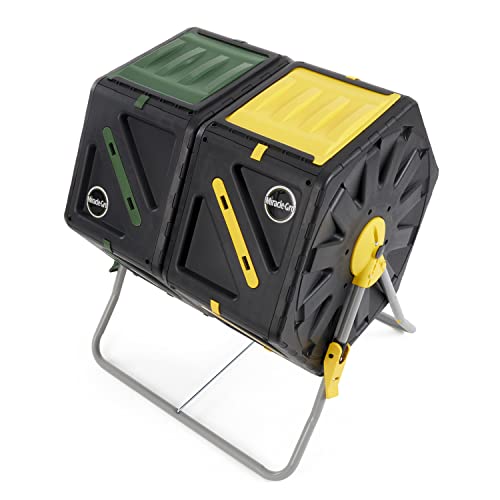
Choosing the right type depends on your space, volume, and how hands-on you want to be. The common options include tumblers, static bins, compost piles, and worm farms. Tumblers are popular for their convenience—simply spin them weekly to aerate compost. They’re faster and better for small to medium gardens but tend to be pricier and sometimes less durable if the mechanism is cheap. Static bins are traditional, affordable, and durable, but require manual turning or aeration methods, which can be labor-intensive. Worm farms are excellent for small spaces and kitchen scraps but come with ongoing maintenance and some fragility. In my experience, avoid the cheapest tumblers on the market—they often have weak axles or flimsy materials that break after one season. A sturdy, well-built tumbler can last over a decade if maintained properly, saving you money in the long run.Capacity and Size Considerations
Your composting needs depend on your yard size and waste output. Small gardens can get away with a 3-compost bin setup of about 50-80 gallons total, while larger gardens or small farms may need upwards of 200 gallons. Remember, larger capacity means longer composting cycles unless you have multiple bins running simultaneously. Also, opt for a size manageable enough for you to turn or empty without injuring your back. A common mistake is overestimating capacity, which leads to clutter and neglect. A good rule of thumb: aim for a bin that can hold at least a month’s worth of green and brown materials. And if you have heavy, bulky waste like branches or thick stems, look for models with reinforced frames and sturdy access doors.Material & Durability
Most composters are made from plastic, wood, or metal. Plastic models are lightweight, resistant to rot, and often offer UV-resistant shells, but cheaper plastics may become brittle and crack after a few years of exposure. Metal bins—particularly galvanized steel—are extremely durable and resist pests, but they can rust if not properly coated. Wooden bins have a rustic look but tend to rot faster, especially in wet climates. They require regular maintenance and are best for aesthetic gardens rather than heavy-duty composting. From years of experience, I advise investing in a high-quality plastic or metal bin with reinforced parts. Avoid the models with cheap plastic hinges or flimsy latching mechanisms—they often break after a single season or two, leading to frustration and additional replacement costs.Ease of Maintenance & Accessibility
A good composter should make turning and aerating easy. Tumblers excel here—they spin with minimal effort and often have a crank or handle. Static bins with removable panels or doors also streamline the process but tend to require more effort to turn or mix compost manually. Clean access to the interior helps with adding materials, removing finished compost, and troubleshooting odors or pests. Models with hinged lids, removable tops, or easy-to-open doors make routine maintenance less of a chore. Avoid composters with sealed or hard-to-reach interiors; cleaning and clearing jams will become a nightmare. Also, if you have back issues, focus on models with a height suitable for your comfort—some tall tumblers or raised bins reduce the need to bend over.Cost vs. Value
While it's tempting to go for the cheapest option, low initial cost often translates into frequent replacements or ongoing maintenance costs. Good composters typically range from $100 to $300, but that investment pays off through durability and ease of use. Be wary of models that look cheap—those are often made with thin plastics and shoddy hardware that fail quickly. Conversely, spend more on reputable brands with proven track records; they tend to feature better materials, warranties, and customer support. In my years of experience, you generally get what you pay for. A well-made composter will last 10+ years with proper care. Don't fall for gimmicks like built-in heating systems or fancy gadgets—they rarely deliver on durability or compost quality.Additional Features to Look For
Certain add-ons can enhance your composting experience. Aeration vents or slots promote faster decomposition. Some models include removable trays or easy-access doors for harvesting finished compost. Pests can be an issue in some areas; choosing a sealed, rodent-proof design is smart if you have critters digging around. If you’re limited on space or prefer indoor composting, worm farms or small tumblers might be more practical. For larger operations, consider models with reinforced frames and locking mechanisms to prevent accidental spills or breakage. Avoid models that seem overly complicated or require frequent adjustments—they tend to be less reliable over time. Focus on simplicity, durability, and user-friendly features.Frequently Asked Questions
How long does it take for compost to be ready?
Typically 3 to 6 months with optimal conditions—turning or aeration accelerates this process significantly.
Can I compost all kitchen scraps?
No, avoid meat, dairy, and oily foods—they can attract pests and cause odor issues. Focus on vegetable scraps, coffee grounds, and eggshells.
What’s the best material for a long-lasting composter?
High-density polyethylene (HDPE) plastic or galvanized steel are the most durable, weather-resistant options.
Do tumbling composters really work faster?
Yes, because they allow for easier turning and aeration, reducing composting time by several weeks compared to static bins.
Are expensive composters worth it?
Generally, yes. Higher-quality models last longer, are easier to maintain, and provide a better composting experience, reducing replacement costs over time.
What about rodent-proof composters?
Look for models with tight-fitting lids and sealed sides. Metal or reinforced plastic with lockable doors makes it much harder for pests to access.
Conclusion
Choosing the right composter involves balancing capacity, durability, ease of use, and budget. Avoid the temptation of cheap throwaway models—they’ll cost you more in the long run. Invest in a well-built, thoughtfully designed unit that fits your yard size and composting style. With the right setup, you’ll turn waste into rich soil, reduce landfill contributions, and enjoy a healthier garden for years to come.
Next step: Assess your space, define your needs, and pick a model that offers real durability and convenience. You'll thank yourself when your garden thrives thanks to your smart composting choices.