

How to Prepare Your Lawn Mower for Summer 2026: Maintenance and Tune-Up Guide for a Healthy Yard
Summer’s just around the corner, and if you want your lawn to look its best without breaking a sweat, proper equipment prep is key. A well-maintained mower boosts cut quality, extends engine life, and saves you money on repairs. I’ve been in the trenches from small push mowers to heavy-duty commercial units, and I know what works—and what doesn’t—when it comes to summer readiness.
Our Top Picks
Affiliate disclosure: if you buy through these links, we may earn a commission at no extra cost to you.

Skip the quick fix and follow these practical steps. Trust me, a little routine maintenance now pays off in fewer headaches and a lush, healthy yard all season long.
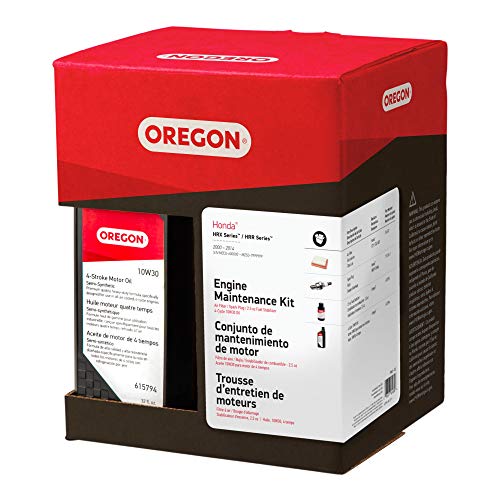
Oregon Lawn Mower Engine Tune-Up Maintenance Kit for Honda HRX and HRR Series Engines (01-102)
$31.44Check Price
Table of Contents
Inspect and Clean Your Mower
Start with a thorough visual inspection. Look for loose bolts, damaged tires, or cracked belts. Dirt and grass clippings clog safety switches and cooling fins, so remove the mower’s underside deck and scrub it with a stiff brush or compressed air. A clean deck improves airflow and cutting efficiency, especially when tackling thick sod overgrown after a wet spring.
For rotary mowers, paying attention to grass buildup around the blades and under the engine cover is critical. Debris can cause uneven cutting or even engine overheating. Use a putty knife or scraper to free any caked-on residues. This simple step often reveals hidden damage early, saving you from costly repairs down the line.
Change the Oil and Filter
Old oil is one of the biggest killers of small engines. Summer heat accelerates oil breakdown, so fresh oil ensures proper lubrication. Drain the existing oil through the drain plug or by tilting the mower if necessary. For most engines, 30W oil is standard, but check your manual for specifics.
If your mower has a filter—many newer models do—replace it at the same time. A clogged filter impedes oil flow, increasing wear. Use a high-quality, OEM filter if possible; cheap replacements break down after one season and cost more in the long run.
Sharpen the Blades
A dull blade tears grass rather than cuts it cleanly, weakening the turf and inviting disease. Remove the blade (using a socket or wrench on the spindle), and take it to a grinder or a professional sharpening service. Aim for a clean, beveled edge and balance the blade afterward to prevent vibration or engine strain.
Invest in a quality blade – a forged, heavy-gauge steel blade lasts longer and maintains its edge better than cheap stamped ones. Expect a decent blade to last 2-3 seasons if maintained properly, but avoid burnishing or chips, which spell trouble.
Check and Replace Spark Plug & Air Filter
The spark plug ignites your engine, and a good one ensures reliable starts and optimal power. Remove it with a spark plug wrench and check the electrode gap—set it to the manufacturer’s specs (usually around 0.030 inches). Replace if worn or fouled. Cheap, poorly made plugs often burn out in one season, so opt for OEM quality.
The air filter keeps dust and debris from clogging your engine. A clogged filter reduces power and increases fuel consumption. Clean the foam types with soapy water or replace paper filters if they’re dirty or soaked. Always keep the filter in good shape for maximum performance and longevity.
Fuel Storage and Additives
If you're going to store fuel for longer than a month, add a fuel stabilizer to prevent gum deposits and phase separation. Use fresh, high-octane gas from a trusted source. During summer, hotter weather increases the risk of fuel deterioration, so don’t leave stale gas in the tank.
Drain the tank if you won’t be mowing for a few weeks, and run the engine until it stalls to clear the carburetor. Never store a mower with old fuel, as clogged jets can be a nightmare to clean. Invest in quality fuel stabilizers—cheap brands often don’t prevent varnish buildup or emulsification.
Storage and Final Tips
Before putting your mower into summer storage, give it a final clean and double-check all fasteners. Store it in a dry, shaded area, and consider elevating the deck off the ground to prevent moisture absorption. If you have a carbureted model, consider installing a fuel shut-off valve or emptying the tank completely.
Invest in a quality cover if the mower will be sitting outside, and periodically start the engine to keep the parts lubricated. For gas-powered models, never forget to winterize or drain the fuel before storage in colder months, but in summer, focus on keeping the mower clean and dry for optimal performance.
Frequently Asked Questions
How often should I service my lawn mower?
At minimum, after every 20-25 hours of use or once a season. More intensive service like blade sharpening and oil change should be annual or bi-annual, depending on usage.
What’s the worst mistake homeowners make when preparing for summer?
Neglecting to change old fuel or ignoring dirty filters. Both issues lead to poor engine performance and costly repairs.
Are electric mowers easier to maintain?
Yes, they require less maintenance—no oil, spark plug, or carburetor to worry about—but they are generally less durable long-term and have limited run time per charge.
What are reliable brands for commercial-grade blades?
Brands like Oregon and Steel are known for durability. Cheaper brands often dull quickly and need frequent replacement, especially if you’re mowing rough or overgrown grass.
Can I use a push mower for heavy overgrowth?
It depends. A high-quality, gasoline-powered mower with a robust engine will handle overgrowth better than a cheap model that stalls or struggles. Avoid using lightweight push mowers for thick, tall grass.
How long do commercial snow blowers last with proper maintenance?
Typically 8-10 seasons, but heavy-duty models with steel components can go 15+ if regularly serviced and stored properly. Cheaper models often fail after just a few seasons.
Keeping your lawn equipment in top shape for summer 2026 isn’t complicated if you stay disciplined. Prioritize clean, sharp blades, fresh oil, and proper fuel storage. Your yard will thank you with lush, healthy growth, and you’ll save money by avoiding premature replacements or repairs. Time to get to work—your best mowing season awaits.


