

How To Use A Backpack Leaf Blower Efficiently For
Don't get fooled by marketing hype—you need at least 145 CFM (cubic feet per minute) of airflow to move wet leaves effectively, and 165+ CFM if you're dealing with heavy, compacted debris. I've run commercial-grade units pushing 200+ CFM, and the difference between underpowered and properly powered is night and day when you're racing against December weather. Gas blowers outperform battery models in sustained power delivery, but newer brushless electric units are closing that gap fast if you're sticking to residential properties.
Table of Contents
Our Top Picks
Affiliate disclosure: if you buy through these links, we may earn a commission at no extra cost to you.

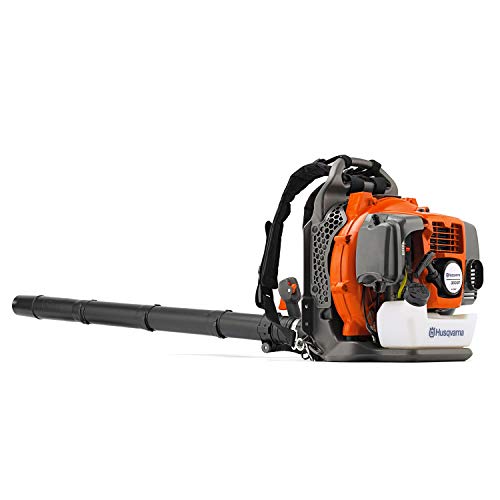

Factors to Consider
Engine Power and CFM Rating
Weight and Ergonomics for Extended Use
A backpack blower that weighs 12 pounds feels light at the start—until you're strapped in for 45 minutes straight, then it feels like 25. Look for models in the 10-12 pound range with padded shoulder straps and a hip belt that actually transfers weight to your core; this cuts fatigue by about 40% compared to shoulder-only support. The difference between a $300 blower and a $500 one often comes down to harness design, not raw power, so test the fit before buying.
Fuel Type: Gas vs. Battery Runtime
Gas backpack blowers give you 4-6 hours of continuous runtime on a single tank, which matters for large properties where you can't stop to recharge mid-cleanup. Battery-powered models typically deliver 45-90 minutes per charge, which is plenty for most residential yards under one acre but forces you into a charging cycle for bigger jobs. If you already own a battery ecosystem from the same manufacturer (DeWalt, Makita, Milwaukee), the convenience of swapping batteries between tools often outweighs the gas advantage—just budget a second battery for winter work.
Maintenance Requirements and Build Durability
Gas blowers demand seasonal maintenance: spark plug replacement, air filter cleaning every 10 hours of use, and proper fuel stabilization if you're storing for winter—skip this and you'll be junking the unit by year two. Battery units need far less maintenance but watch for corrosion on the terminals if you're working in damp December conditions. The tube and intake ports are where cheap models fail first; reinforced plastic or metal housings last 5+ seasons, while thin plastic starts cracking by season two.
Noise Level and Neighbor Relations
Backpack blowers range from 75-85 decibels, and even 3 decibels matters when you're doing early morning or late afternoon cleanup near neighbors' properties. Electric units sit at the lower end (75-80 dB) while high-performance gas models push 85 dB; check local ordinances because many counties restrict leaf blowing before 8 AM or after 5 PM. If you're working in close quarters or family neighborhoods, a quieter unit pays for itself in avoided complaints—I've seen better-paying customers choose landscapers specifically for using quieter equipment.
Frequently Asked Questions
What's the best time of day to use a backpack leaf blower for leaves?
Use your blower when the ground is dry and there's a light breeze moving away from occupied buildings—typically mid-morning once dew dries or late afternoon when wind picks up. Wet leaves are 30-40% heavier and require more power, so avoid early morning or post-rain cleanup unless you have a high-CFM unit; you'll burn through fuel faster or drain batteries quicker.
Can I use a backpack leaf blower in winter conditions?
Yes, but performance drops with damp, heavy snow-laden leaves and cold temperatures reduce battery runtime by 20-30% on electric models. Gas units handle cold better if you use fresh fuel with winter stabilizer and keep the carburetor clean; just remember wet debris is heavier and requires more power than dry fall leaves.
How long will a backpack leaf blower battery last on a single charge?
Most modern lithium-ion batteries deliver 45-90 minutes depending on power setting and debris density—light cleanup on low power gives you the full 90 minutes, while high power on heavy leaves cuts that to 45 minutes or less. For a typical residential yard (under one acre), one charge covers the job; anything larger and you'll want a second battery on hand.
Is a backpack blower better than a handheld for large yards?
Absolutely—backpack models distribute 12+ pounds across your shoulders and hips instead of loading it all on your arms and wrists, reducing fatigue by 40-50% during extended use. For anything over 30 minutes of continuous blowing, a backpack setup is faster and more efficient, and you can cover ground quicker without needing breaks.
What maintenance do I need to do before winter storage?
For gas units, drain the old fuel or add stabilizer, clean or replace the spark plug and air filter, and run fresh fuel through the carburetor for 5-10 minutes before storage. Battery units just need a clean, dry storage location and a charge to 50-80% capacity before the cold months—don't store at full charge or fully depleted.
Why does my leaf blower lose power after the first hour?
On gas models, a clogged air filter is the most common culprit—replace it and you'll get full power back immediately; also check that your fuel is fresh and the spark plug hasn't fouled. On battery models, you're hitting the runtime limit of your charge, so invest in a second battery to rotate in while the first charges.
Can I use a backpack leaf blower on gravel or mulch without damaging it?
You can, but use medium power setting and aim to move debris rather than blast it across the surface; high-power setting on loose gravel will scatter mulch 10-15 feet away. For fine mulch or decorative gravel, a handheld blower on low power gives you better control, or simply rake those areas by hand to preserve your landscape design.
Conclusion
A quality backpack leaf blower is the fastest way to clear December debris before Christmas, but you're buying years of reliability and comfort, not just raw power—focus on CFM rating, harness quality, and realistic runtime for your property size. If you've got a large yard and want gas-powered muscle with all-day capability, go gas; if you value ease of use and already run a battery ecosystem, modern electric units pack enough punch for residential work. Pick the right one now, maintain it properly, and you'll still be using it to clean up after ten more holiday seasons.


